It's still a draft. Until you sign it.
The lawyer founders call before they sign, not after.
Twenty years across Islamic finance, cross-border M&A and technology law. Now spent on the fine print that decides whether your company survives the deal.
The billable hour is the bottleneck.
Founders don't skip legal advice because they think contracts don't matter. They skip it because the advice arrives in three weeks, costs more than the deal, and comes back so hedged nobody can act on it.
That isn't a failure of lawyers. It's the business model. The billable hour pays for time, not judgment, so you get length instead of an answer, and caution instead of a position.
So the contract gets signed unread. And the damage is never in the clause everyone argued about. It's in the one nobody opened.
The Intersection
A finance lawyer doesn't understand AI. A tech lawyer doesn't understand Islamic Finance. Neither of them has run a P&L. I sit where those three meet, and that intersection is where GCC deals actually happen.
Finance. Fourteen years as Legal Director at QInvest, an Islamic investment bank in Doha. Facilities from US$30 million to a billion. AAA-rated sukuk. IPOs. Cross-border M&A across the GCC, Europe and the United States.
Technology. AI governance frameworks, data licensing, SaaS and API contracts, written now, for companies building now.
Shari’ah. Certified Islamic Arbitrator (IICRA). Structures that hold in a Shari’ah-compliant deal and in a common-law court.
Business. Executive MBA (ESA / ESCP). I read your cap table before I read your indemnity.
PhD in Law (Montpellier). Commercial and contract law taught in Arabic and French. Arabic, English, French, the deal gets negotiated in whichever room it's in.
Fast. Commercial. Plain. Priced up front.
Fast. Days, not weeks. Deals move; advice that arrives after the signature is a receipt, not counsel.
Commercial. I'll tell you which risk to take, not list all of them. Every clause has a price. My job is telling you when it's worth paying.
Plain. No hedging, no Latin, no eight-page memo that ends in "it depends." You'll know what to change and what to walk away from.
Priced up front. You'll know the number before I start. No clock, no surprise invoice, no fear of picking up the phone.
What I do
Before you sign
Send me what's in front of you. You'll get back what it actually does to you, which lines to change, and which to walk away from. NDA, Term sheets, MOUs, SAFEs, distribution agreements, standard terms that were standard for nobody but the other side.
When it's a deal
Shareholder agreements, M&A, joint ventures, investment structuring Islamic and conventional. Negotiated, not just reviewed. I sit on your side of the table.
When you're building
AI governance, data licensing, privacy and platform terms. SaaS and API contracts. For companies whose product is a model, a dataset, or an API and whose contracts were written for something else entirely.
A second opinion
For founders who already have counsel but want someone who'll say the uncomfortable thing out loud.
Beirut → France → Doha → Dubai
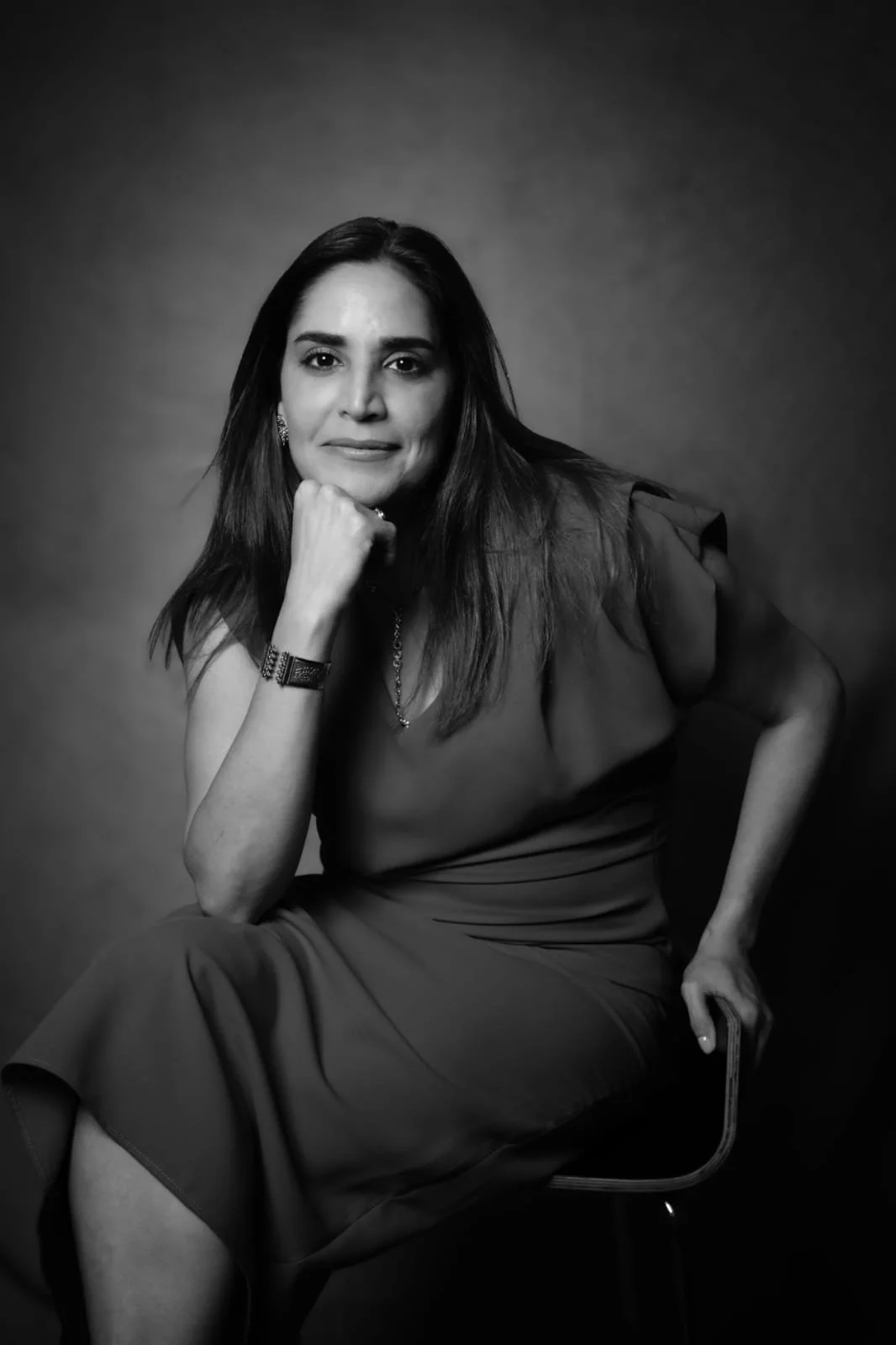
I taught contract law, in Arabic and in French, in Beirut, before I'd ever negotiated a deal of my own. Then France, and a PhD: proving, in one of the oldest legal traditions in the world, that I belonged in the room.
Then fourteen years in investment banking in Doha. That's where I stopped thinking like a lawyer. Sitting across billion-dollar facilities and Islamic finance structures, I learned that the client never actually wants the law they want the deal to happen. So I did an Executive MBA and learned to read a business the way its founder does: the cap table, the runway, the risk that's worth taking. A lawyer tells you what could go wrong. A businessperson tells you which risk to take anyway. I became both.
Then Dubai, and technology , AI, data, the contracts nobody had written yet. And the founders who taught me the last thing. In a startup one person wears every hat, jumps to wherever the fire is, does the job that needs doing whether or not it's in the description. I work the same way. I'm not the lawyer who stays in her lane and hands you a memo. I'm the one in the room, on your side, solving the thing in front of us.
Somewhere across those twenty years and four countries I noticed the same thing every time. The people with the most to lose had the least access to the person who could stop the loss, not because they didn't want help, but because the way help is sold made it useless to them.
So I stopped waiting for founders to walk into a law firm.
Bring the contract. Or the question keeping you up.
Fifteen minutes, free, on the one clause that matters most. No jargon. No pitch. If I can’t help, I’ll tell you that too, and tell you who can.